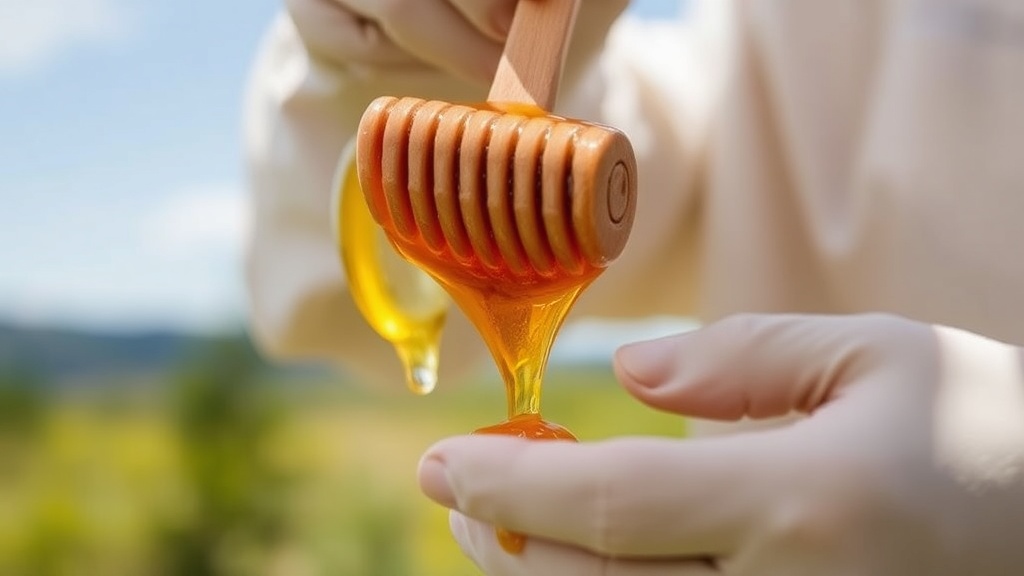
Finding the Best Local Honey in the Outaouais Valley

A neighbor recently left a jar of golden liquid on a porch in Cantley, and the difference from the supermarket stuff was immediate. It wasn't just the sweetness; it was the hint of wildflower and the texture that actually felt alive. This post looks at where you can find high-quality, local honey in the Outaouais Valley and the Quebec region to ensure you aren't just buying sugar water disguised as a natural product.
Finding real honey in the Outaouais isn't hard if you know where to look, but distinguishing between "honey-flavored syrup" and true local nectar requires a bit of a keen eye. Most grocery store shelves are filled with ultra-processed, highly heated products that lose all the nutritional benefits of the bees' work. If you want the real stuff—the kind that carries the scent of our local flora—you have to go straight to the source or the specialized local shops.
Where Can I Buy Local Honey in the Outaouais?
You can find the best local honey at farmers' markets, specialized farm stands, and certain independent grocers throughout the Gatineau and Cantley areas. If you're looking for something specific, the Ministère de l'Agriculture, des Pêcheries et de l'Alimentation du Québec provides great resources on how local products are regulated and labeled in our province.
For those of us living in Cantley or near Chelsea, the options are much better than hitting a big-box retailer. I've found that the best way to secure a jar of high-grade honey is to visit local seasonal markets. During the summer and early fall, the local farm stands along the roads leading toward Gatineau are gold mines for artisanal goods.
Some of the best producers are often small-scale operations that don't even have a website. They just have a sign on a wooden stand or a small stall at a local market. It’s a bit of a scavenger hunt, but the payoff is worth it. You aren't just getting a sweetener; you're getting a snapshot of the season in the Outaouais.
I highly recommend checking out the following types of vendors:
- Farmers' Markets: Places like the Gatineau market are perfect for finding seasonal varieties.
- Farm Stands: Many growers near the Gatineau Park area sell directly to the public.
- Specialty Food Shops: Small boutiques in Chelsea often carry premium, small-batch honey.
What Is the Difference Between Local Honey and Commercial Honey?
The main difference lies in the level of processing and the variety of floral sources. Commercial honey is often mass-produced, highly filtered, and sometimes even heat-treated to the point where the enzymes and pollen are destroyed. Local honey, especially the raw varieties found in Quebec, retains its natural properties and much more flavor profile.
When you buy a jar of honey from a local beekeeper, you are often getting "raw" honey. This means it hasn't been pasteurized. While some people find the slight crystallization of raw honey annoying (I used to think it was a sign of bad honey—it's actually a sign of quality), it's a hallmark of a real, unprocessed product. You can read more about the science of honey and why raw honey is different on the Wikipedia page for honey.
Think about the flavor. A commercial brand might taste like nothing but sweetness. A local Outaouais honey might taste like clover one year and wildflower or buckwheat the next. It changes with the seasons and the local landscape. That's the beauty of it.
| Feature | Commercial Supermarket Honey | Local Outaouais Raw Honey |
|---|---|---|
| Processing | Highly filtered and pasteurized | Minimal processing; often raw |
| Flavor | Consistent, often one-dimensional | Complex, seasonal, and floral |
| Nutrients | Lower enzyme and pollen content | High in natural enzymes and pollen |
| Source | Global/Mass-produced | Local farms in Quebec/Outaouais |
How Much Should I Expect to Pay for High-Quality Honey?
Expect to pay between $10 and $20 for a standard 500g jar of premium, locally produced honey. While this is higher than the prices at a discount supermarket, you're paying for the craftsmanship and the support of local agriculture.
Price can vary based on the specific type of nectar the bees have collected. For instance, a specialized wildflower honey might be slightly more expensive than a standard clover honey. Don't be surprised if you see higher prices for organic or "certified" products—those carry a premium for a reason. It's a small price to pay for knowing exactly where your food comes from.
If you see a jar for $5, be skeptical. It's likely highly processed or contains additives. Real, high-quality honey from a local producer is a premium product. It's a small investment in the quality of your food and the local economy.
A Quick Guide to Honey Varieties in Our Region
Not all honey is created up to the same standard, and knowing the types can help you choose the right one for your needs. Here is a quick breakdown of what you might encounter in the Outaouais:
- Clover Honey: Very common, mild, and sweet. Great for everyday use in tea or on toast.
- Wildflower Honey: This is the most common "local" variety. The flavor changes depending on what was blooming in the valley that season.
- Buckwheat Honey: Darker in color and much more intense. It has a deep, almost malty flavor that is incredible with certain cheeses.
- Lavender Honey: Often found in smaller boutiques. It has a delicate, floral aroma that is quite sophisticated.
I personally love using buckwheat honey when I'm making a heavy, rustic breakfast. It's a bit much for a delicate tea, but it's perfect for a hearty bowl of oats. It's all about the pairing. If you're using a high-end honey, don't mask it with too many other strong flavors.
One thing to remember—and this is a big one—is to check the labels. If it just says "Honey Blend" or doesn't specify a source, it might not be the local, pure product you're looking for. Look for names of local apiaries or farms. Many producers in the Quebec region are quite proud of their heritage and will display their names prominently.
Supporting these people isn't just about the honey. It's about keeping the local agricultural-ecosystem alive in the Outaouais. When we buy from the person down the road, that money stays in our community. It's a cycle that benefits everyone. Plus, the taste is just incomparable.
Next time you're out driving through the backroads of Cantley or visiting a market in Chelsea, keep an eye out for those little signs. You might find a hidden gem that makes your morning coffee or your weekend brunch much more interesting. It's worth the extra few dollars to know you're eating something real.